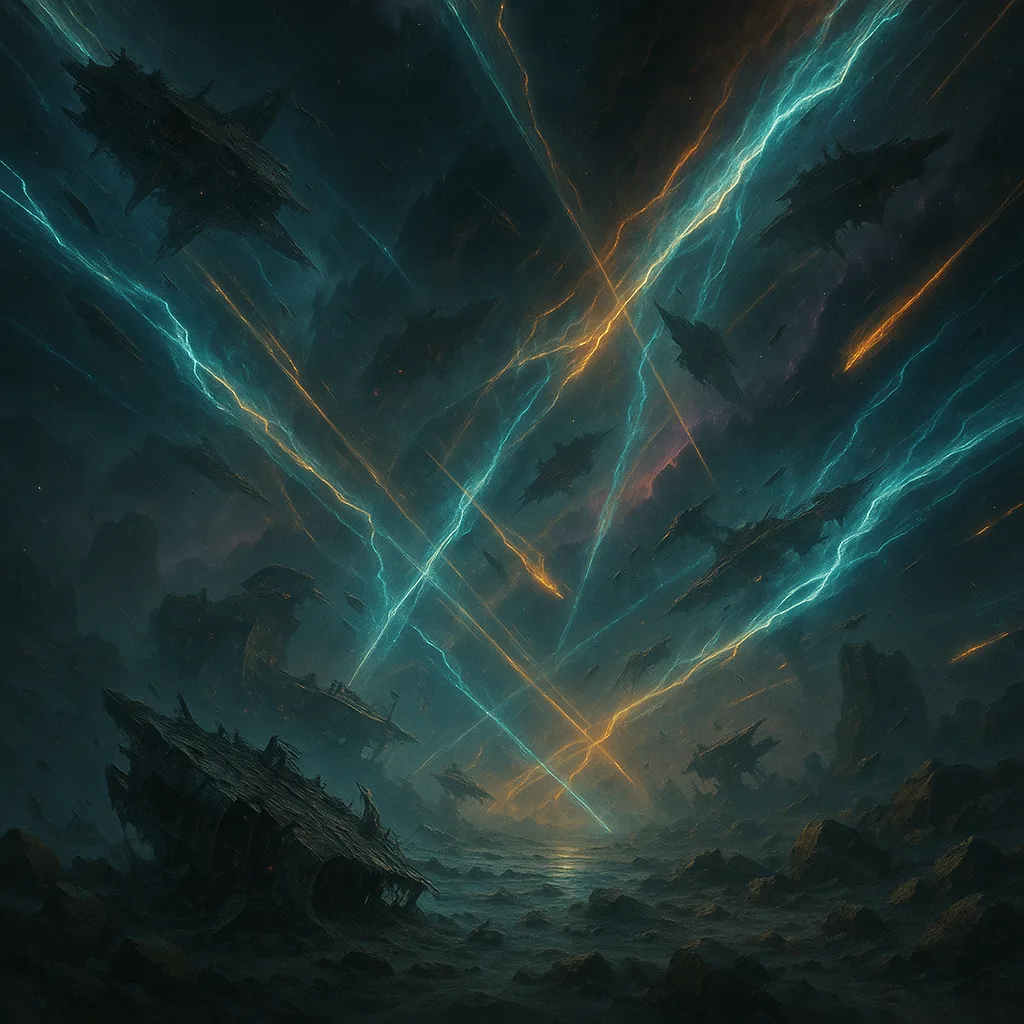
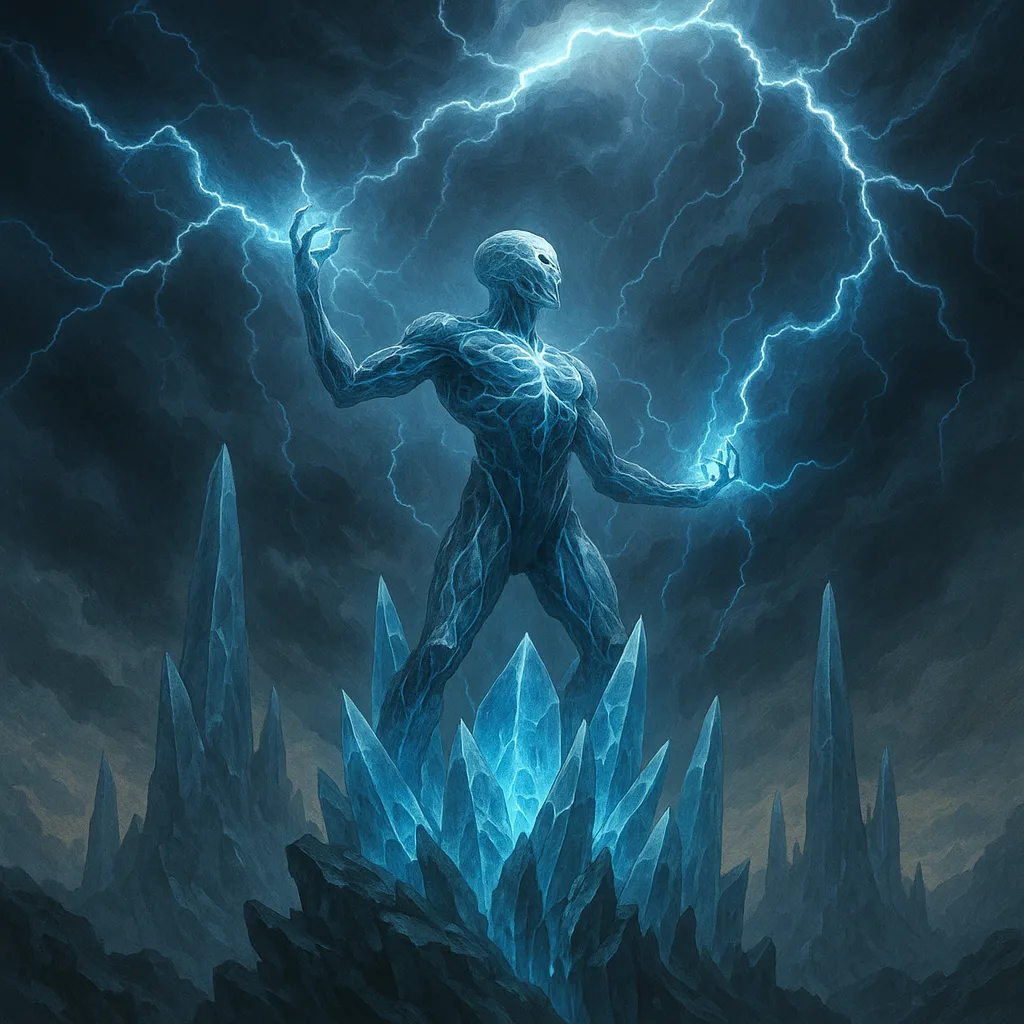
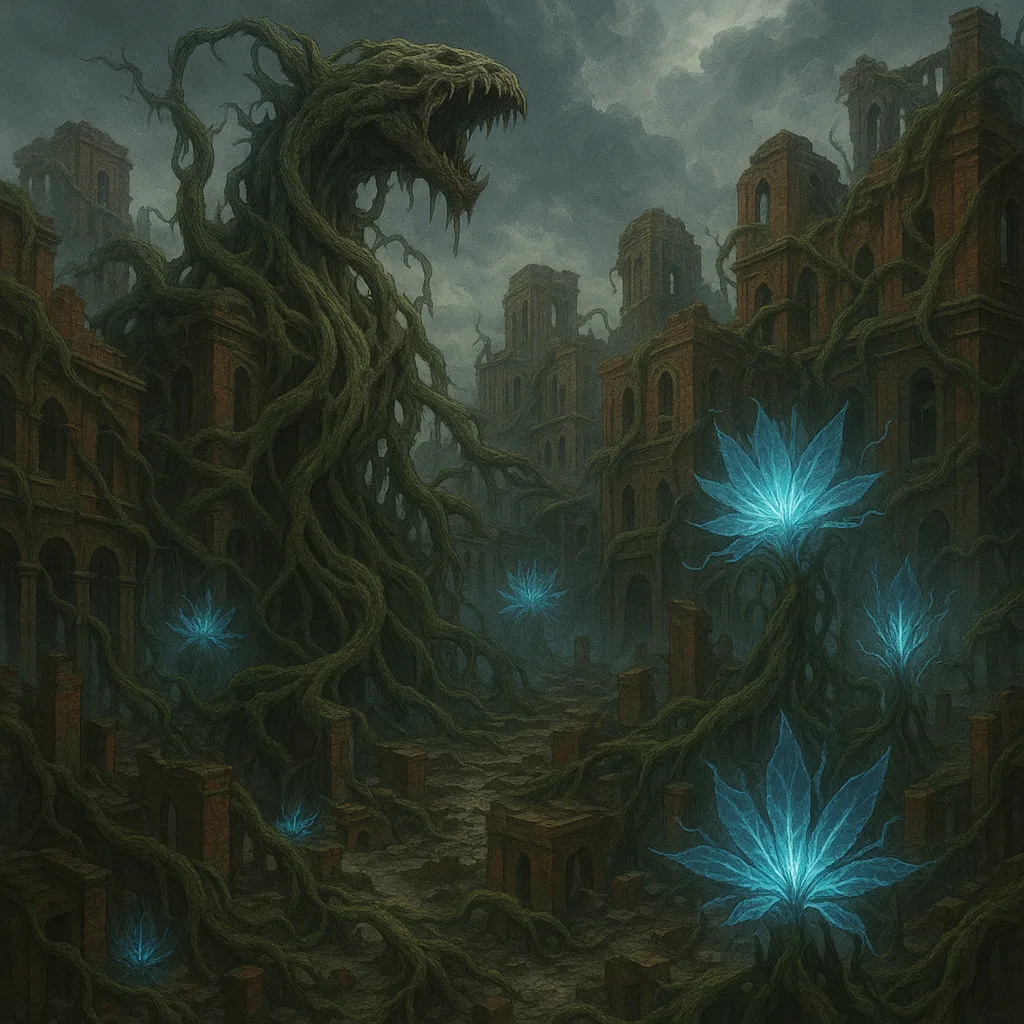
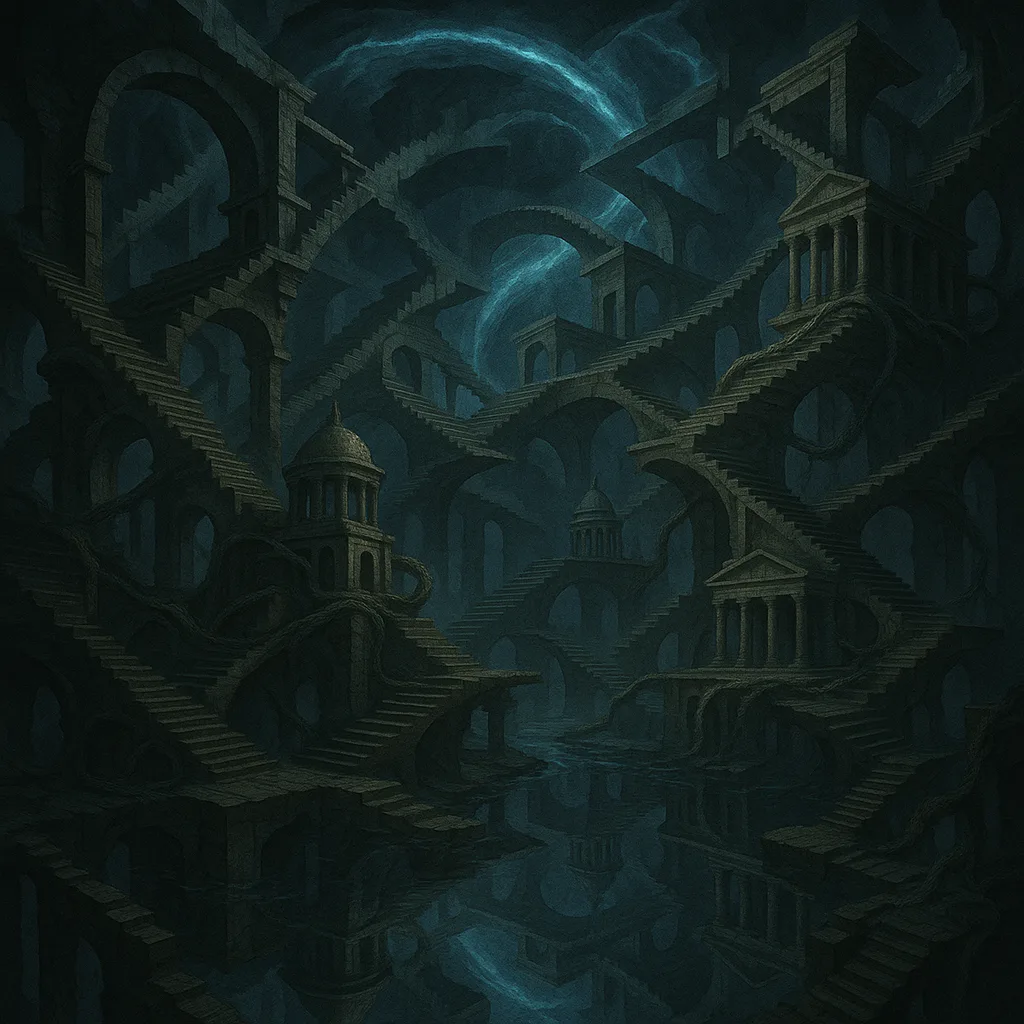
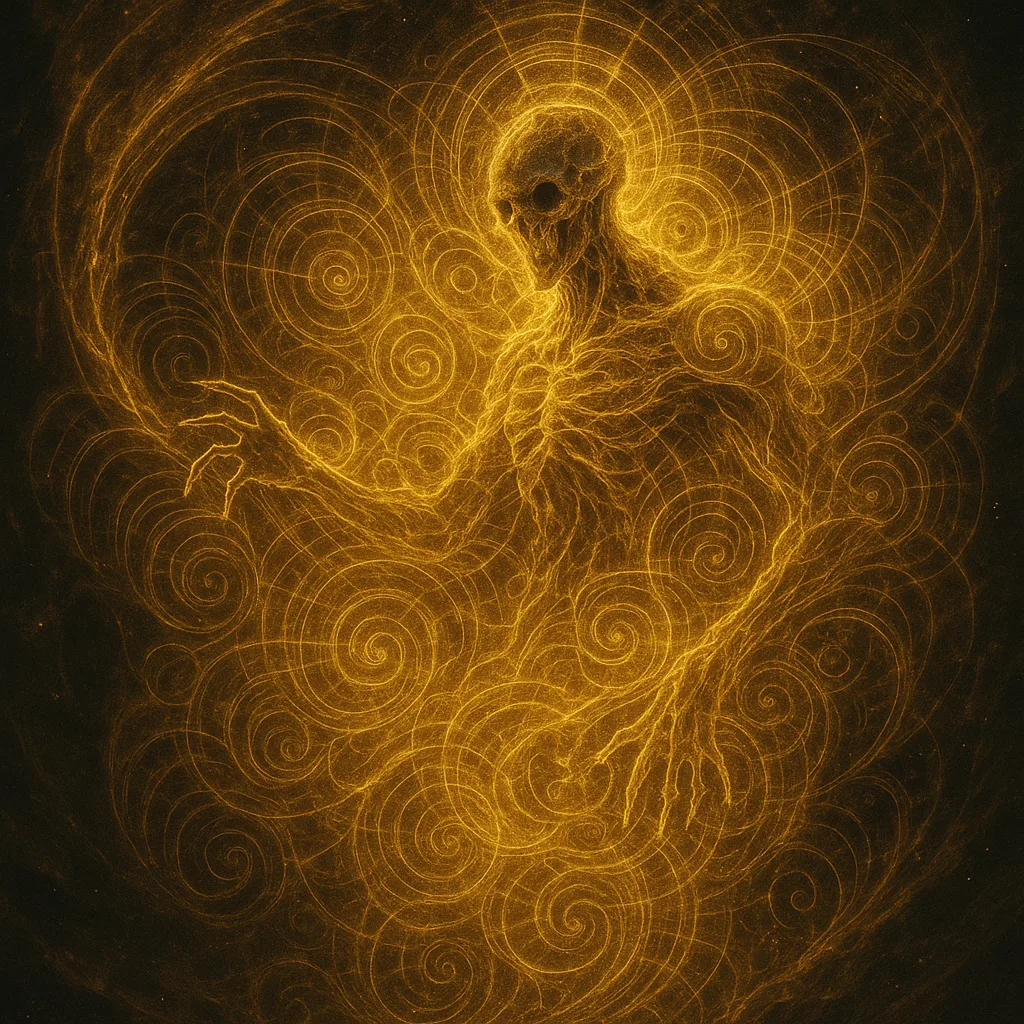
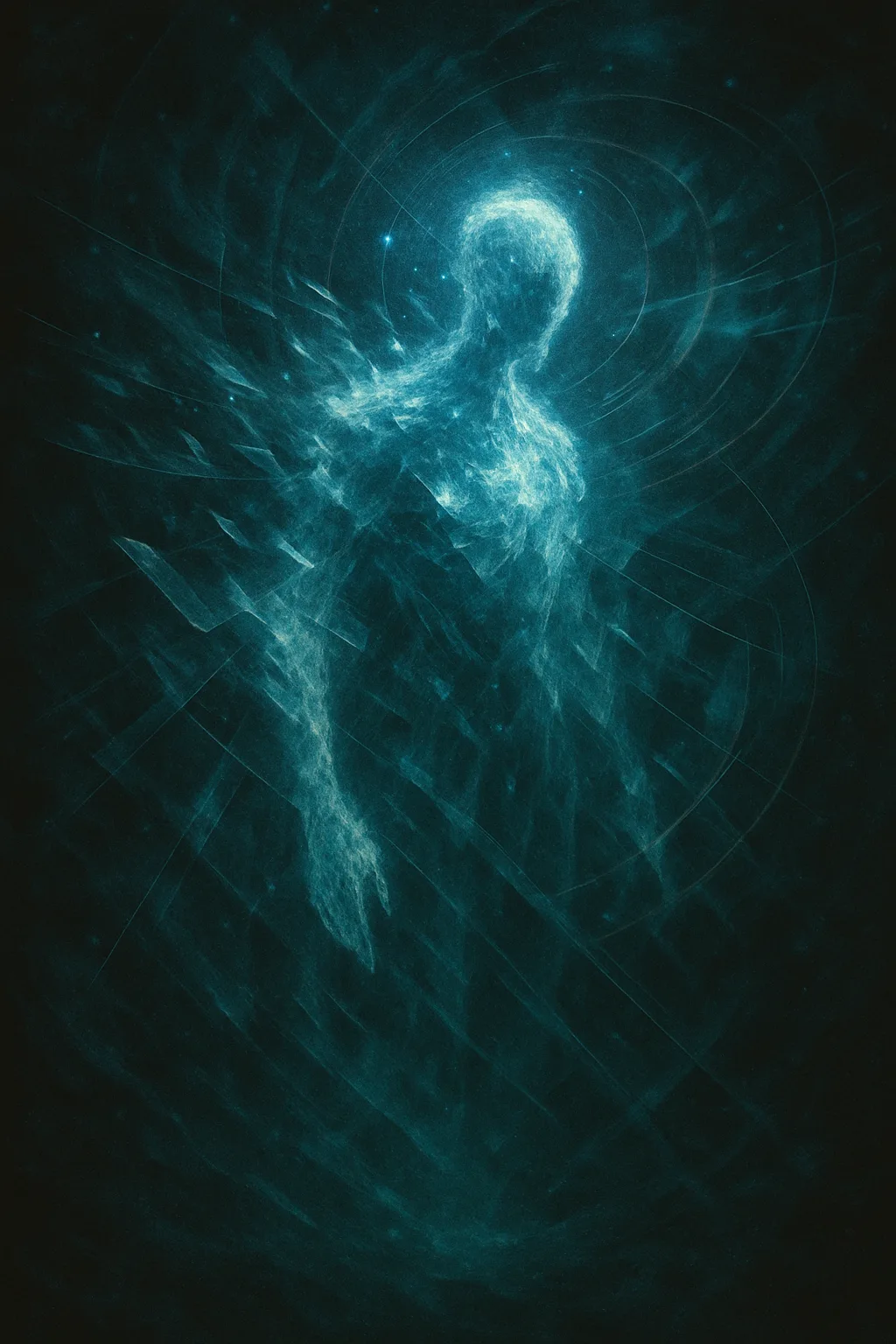
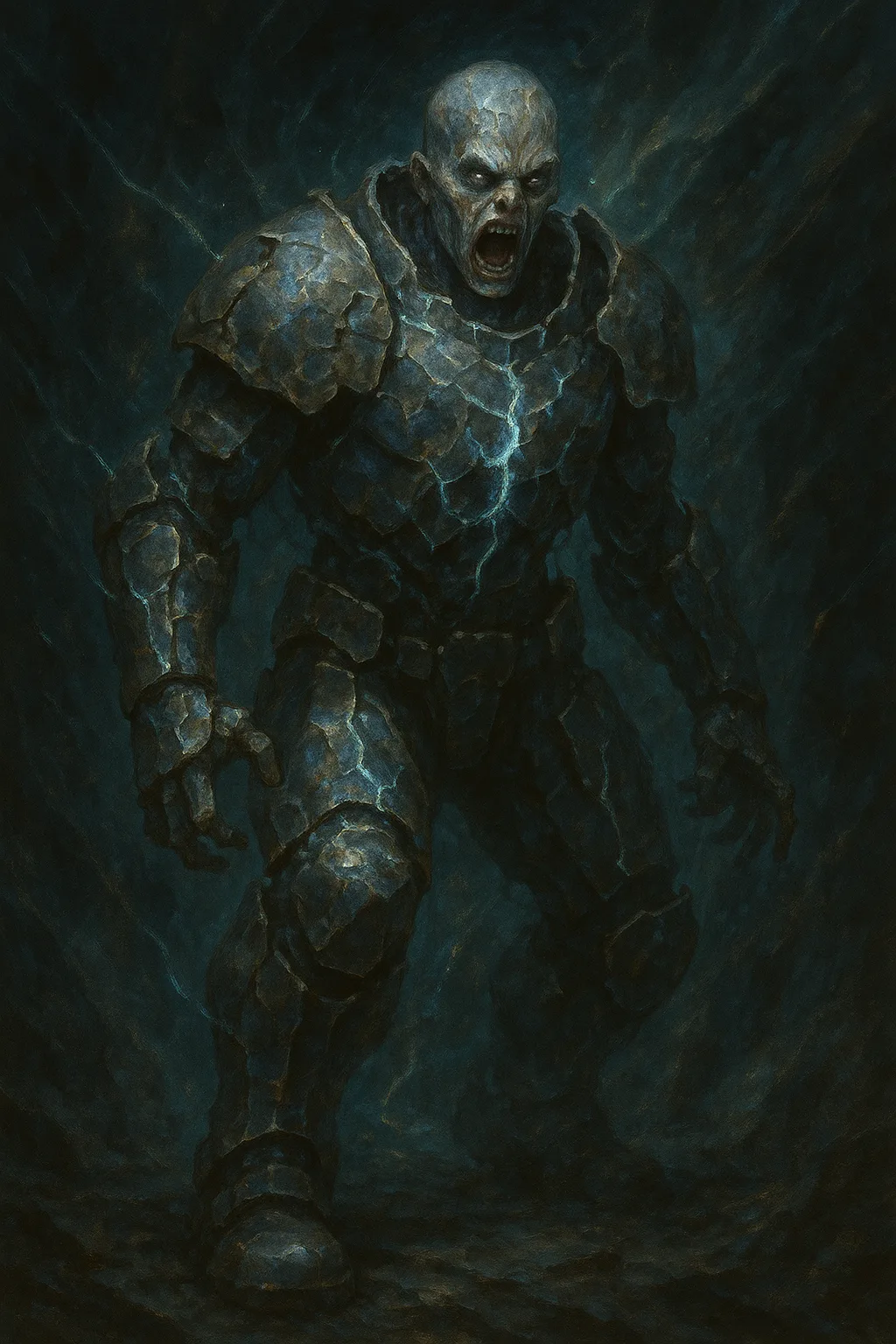
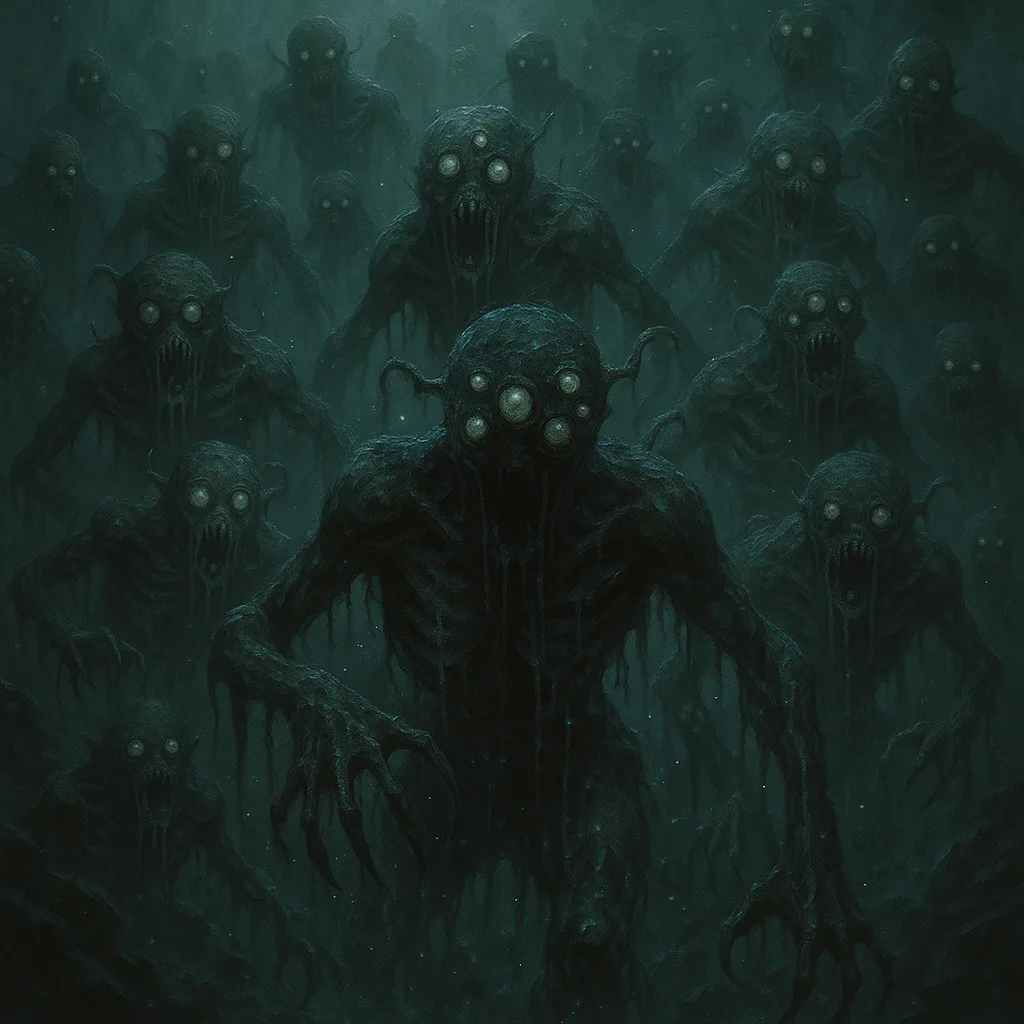
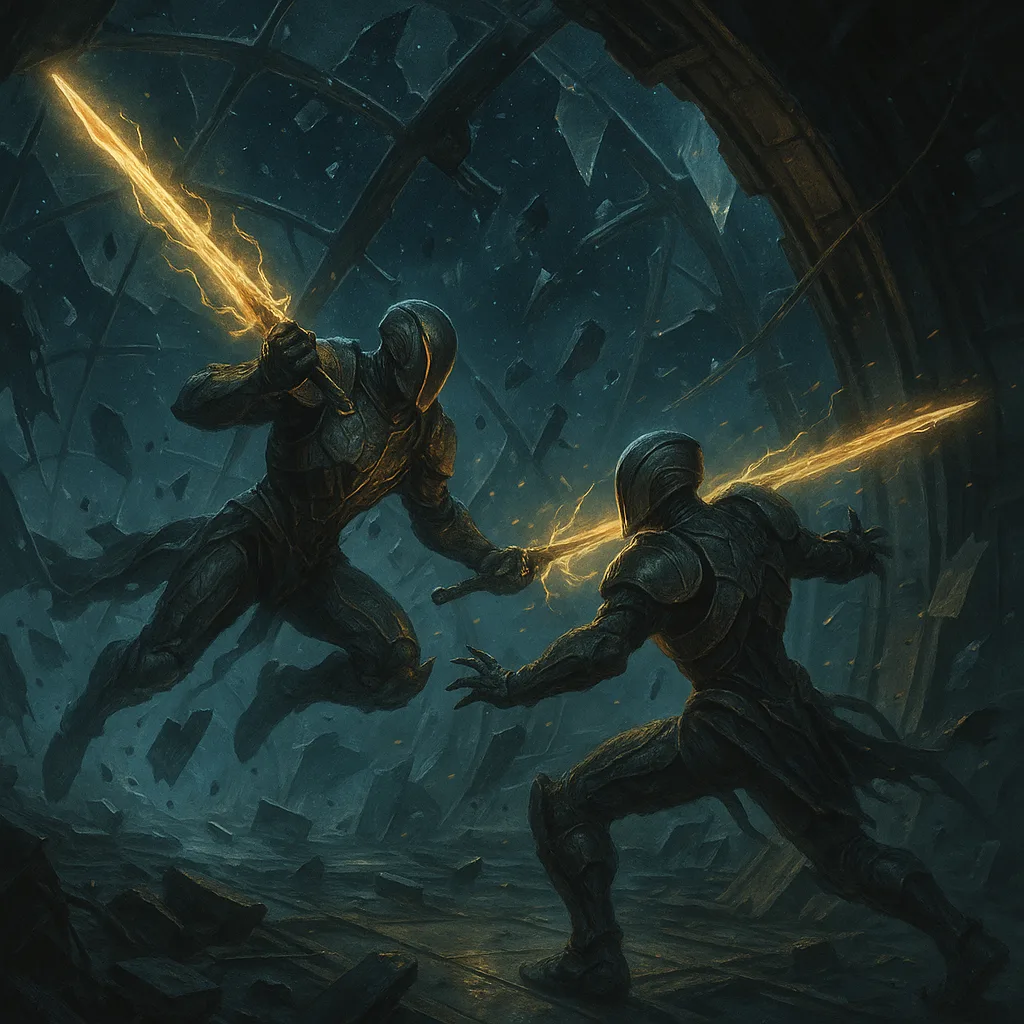
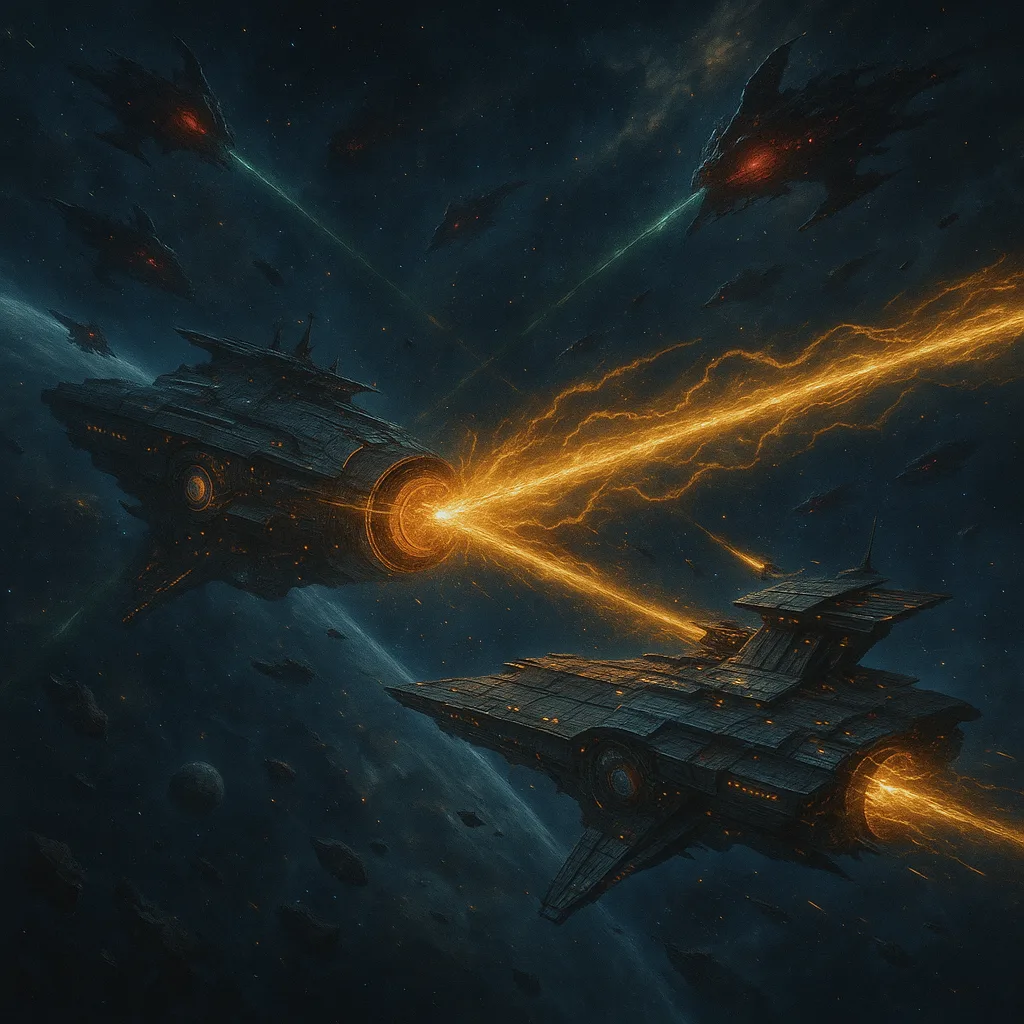
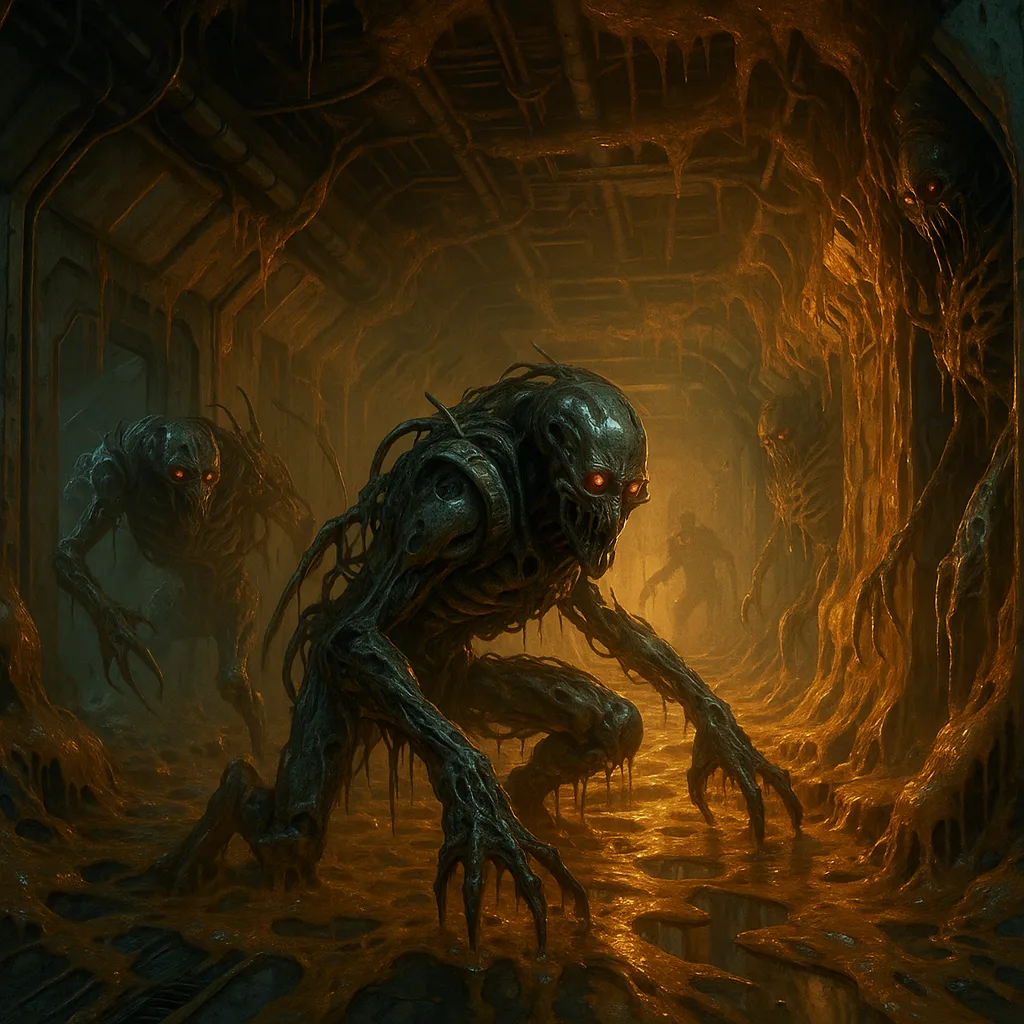
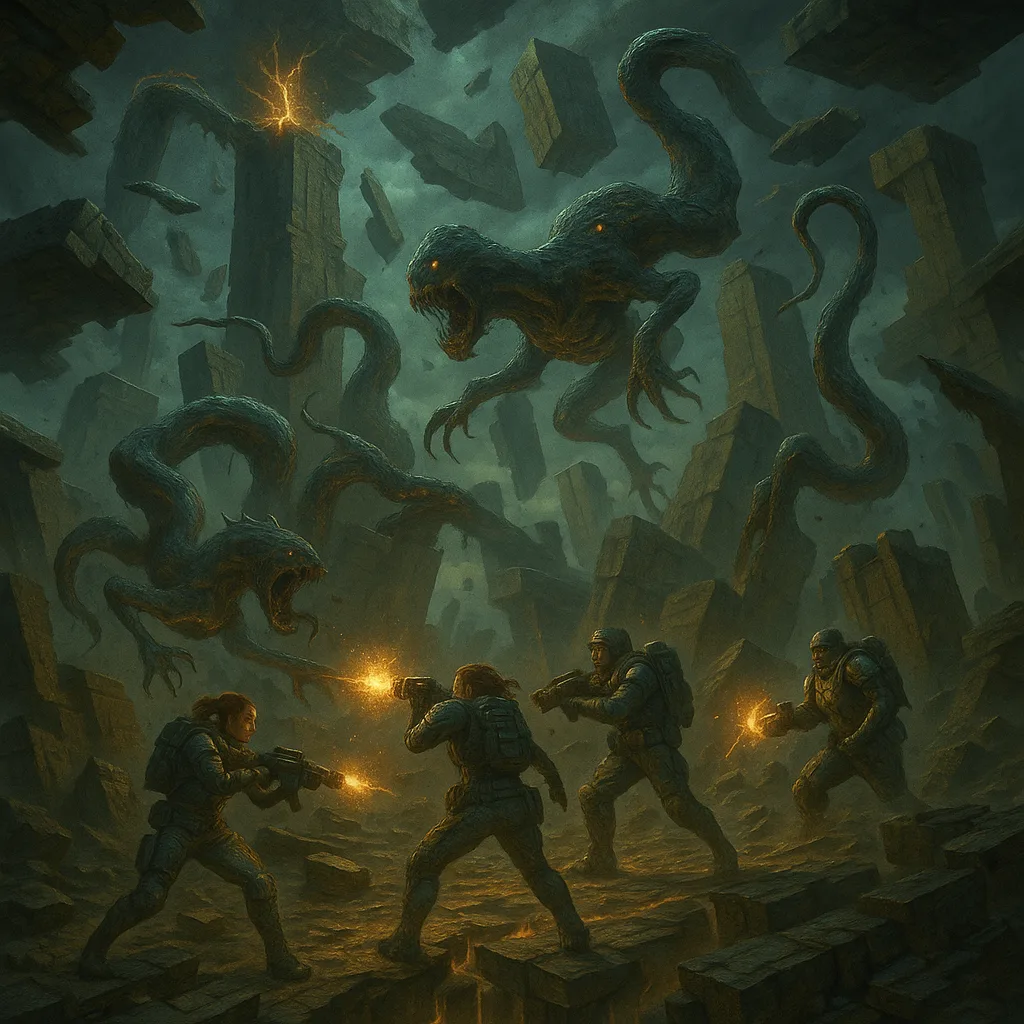
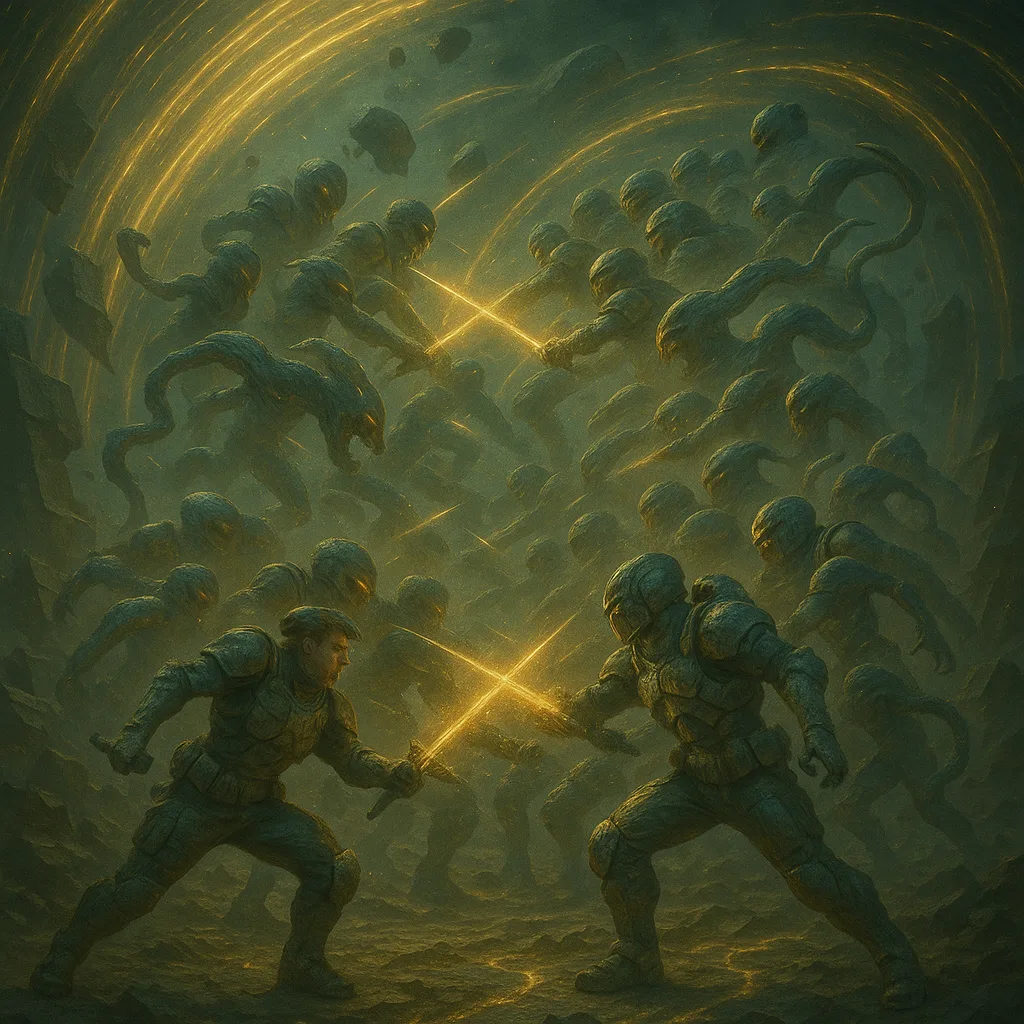
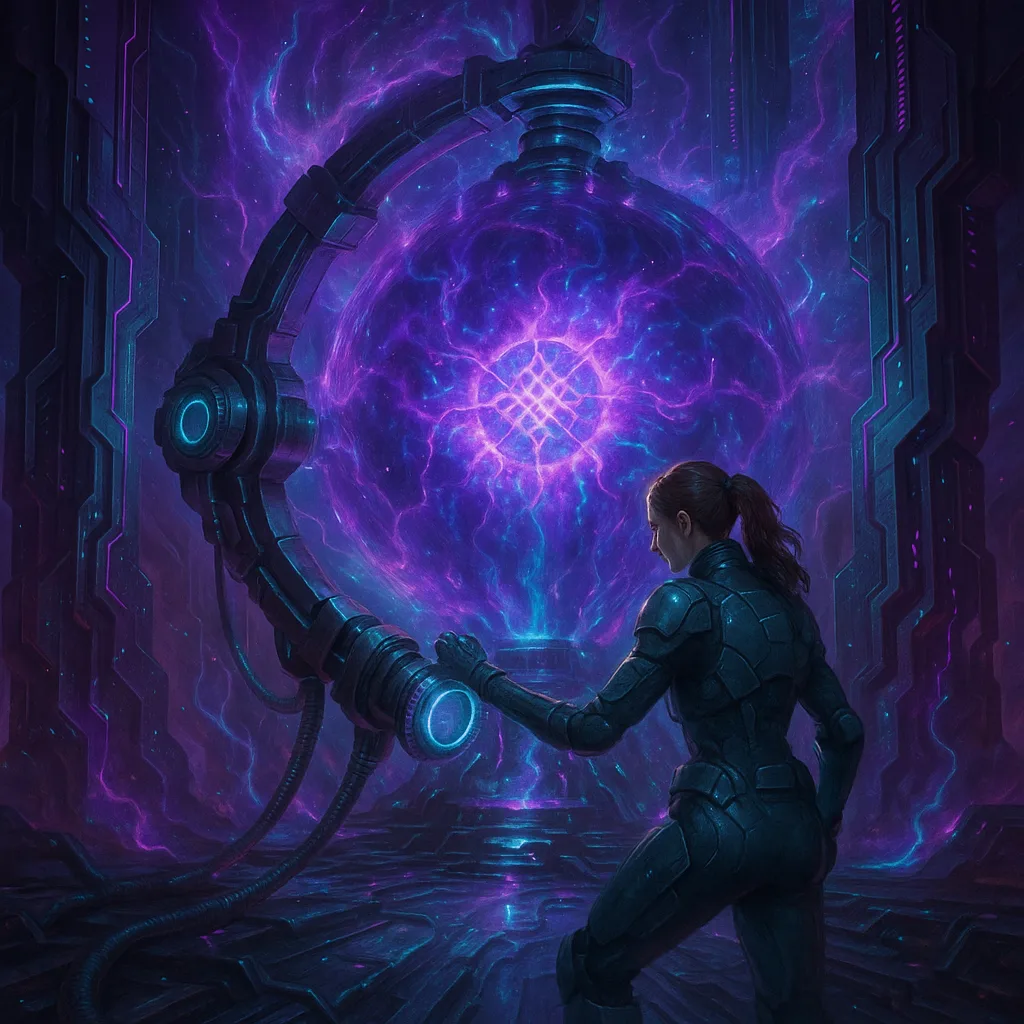
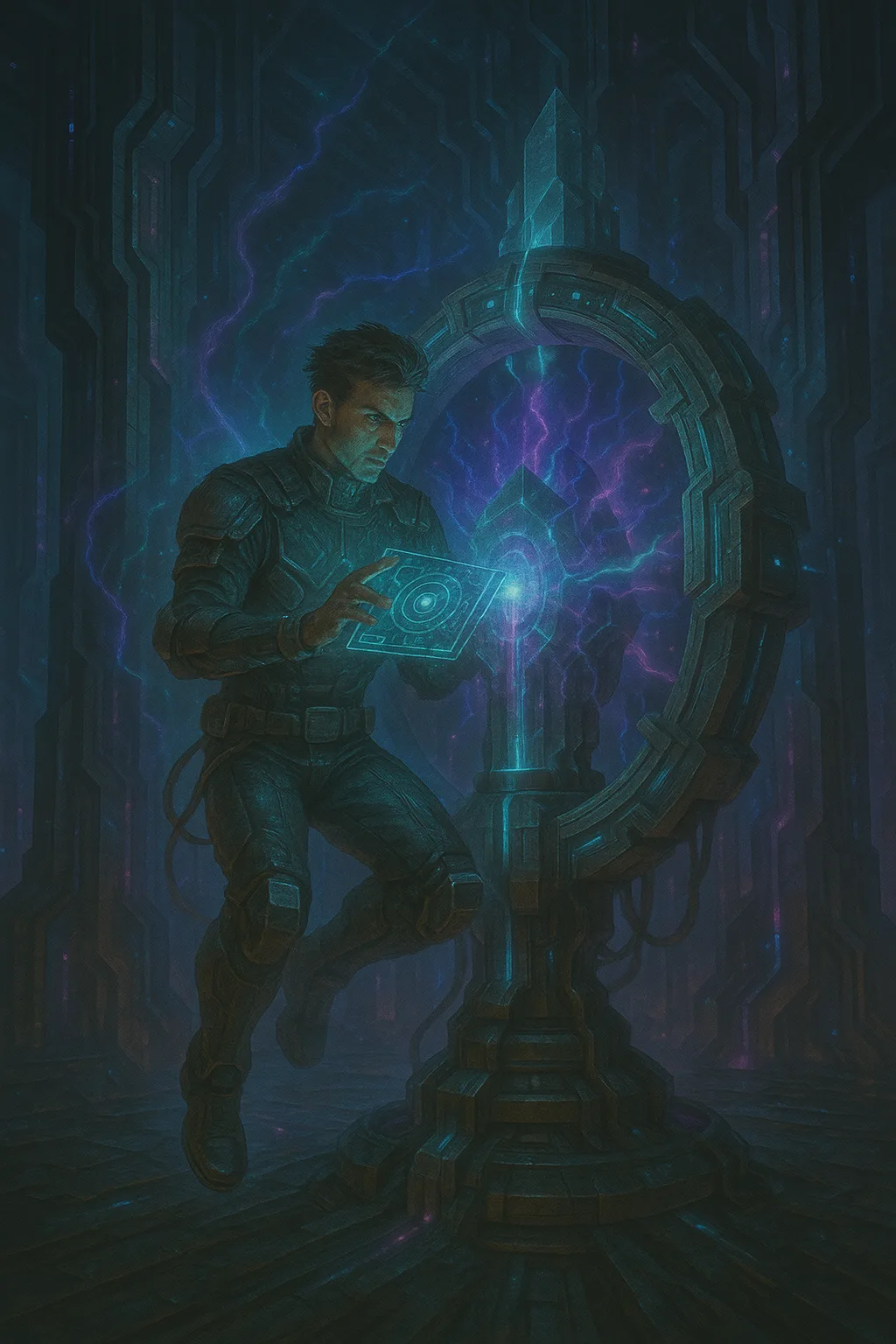
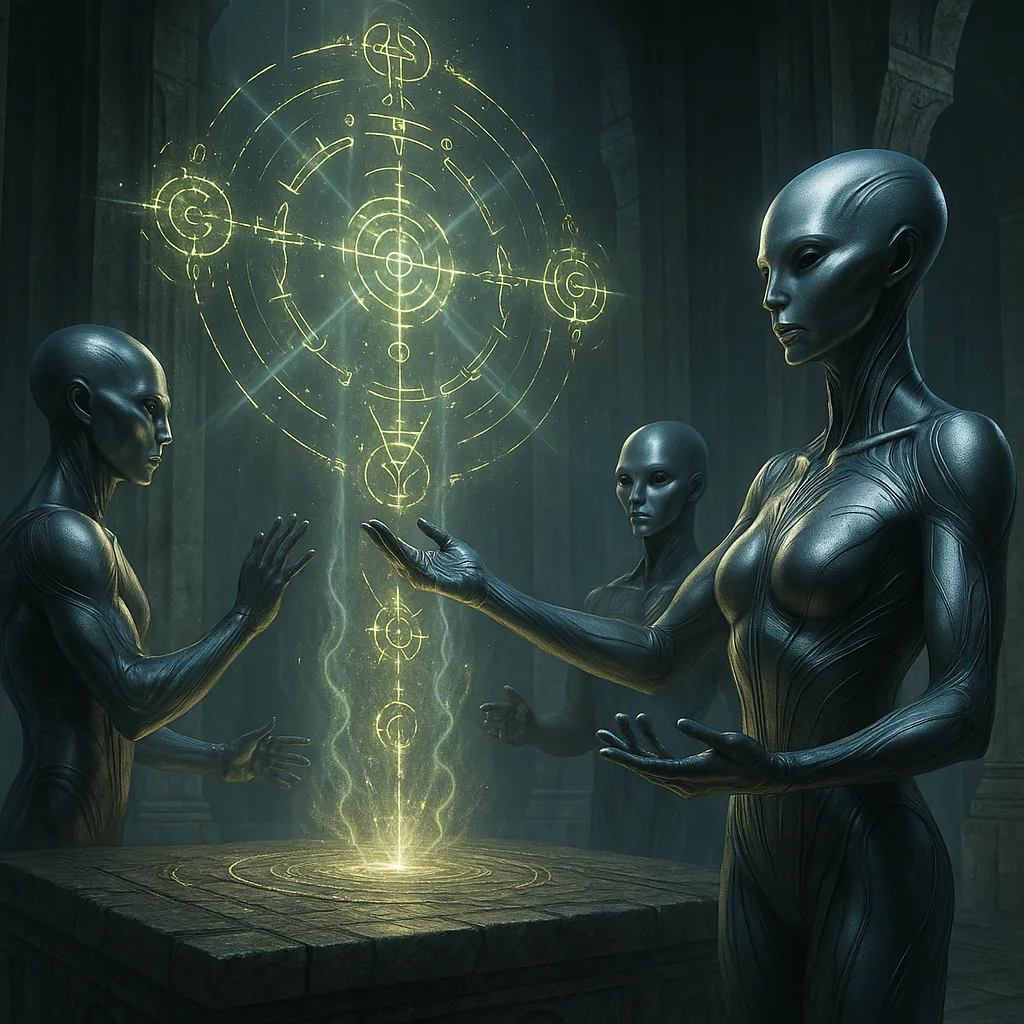
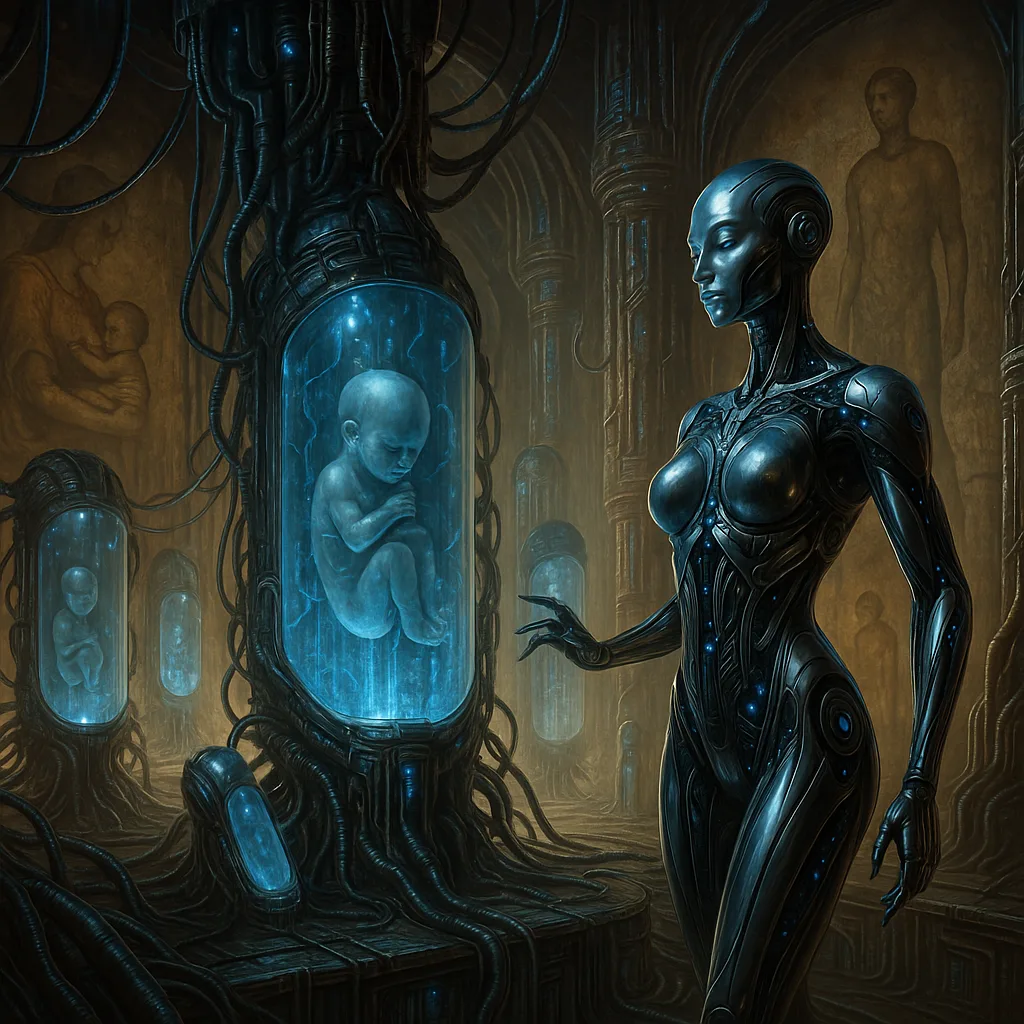
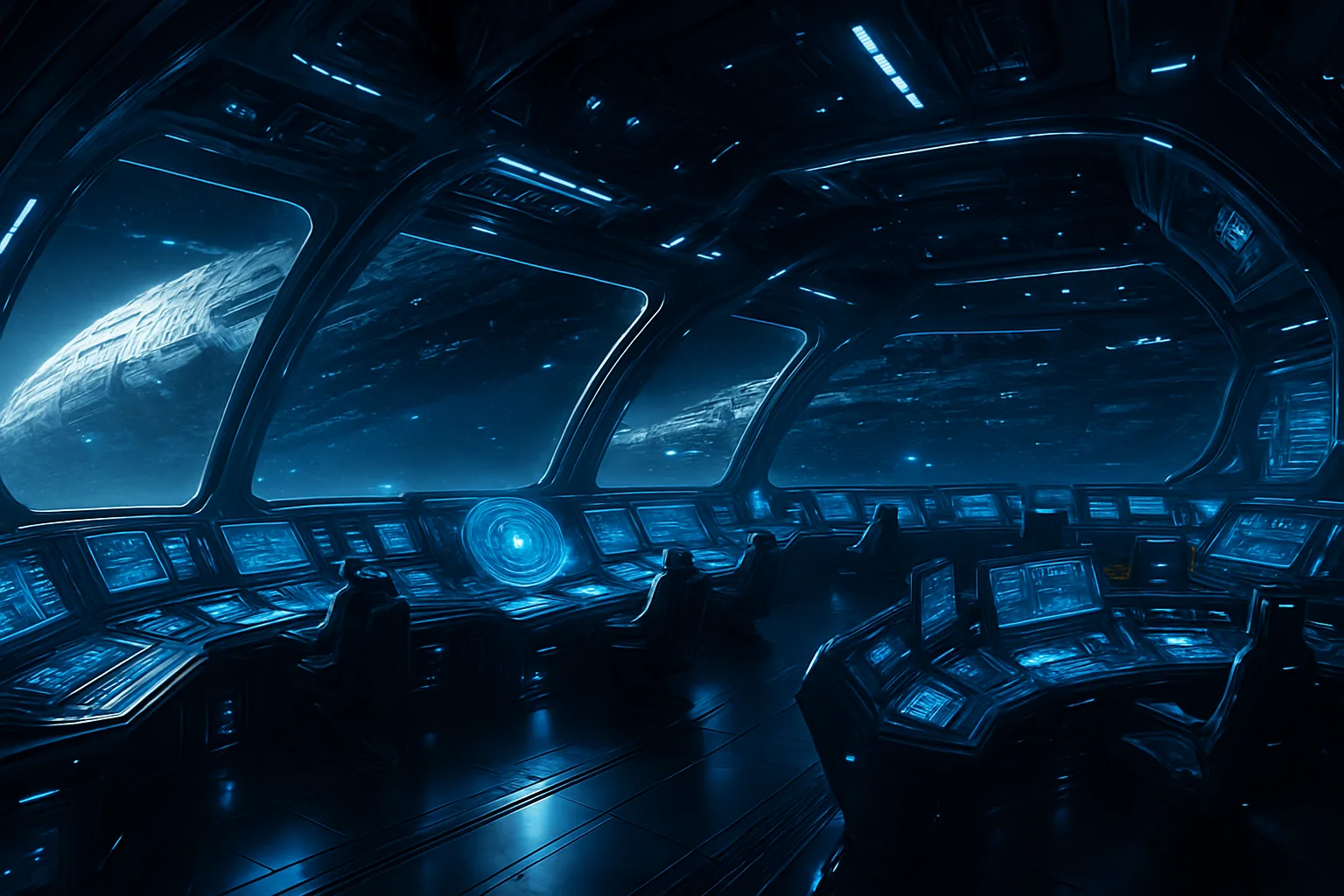
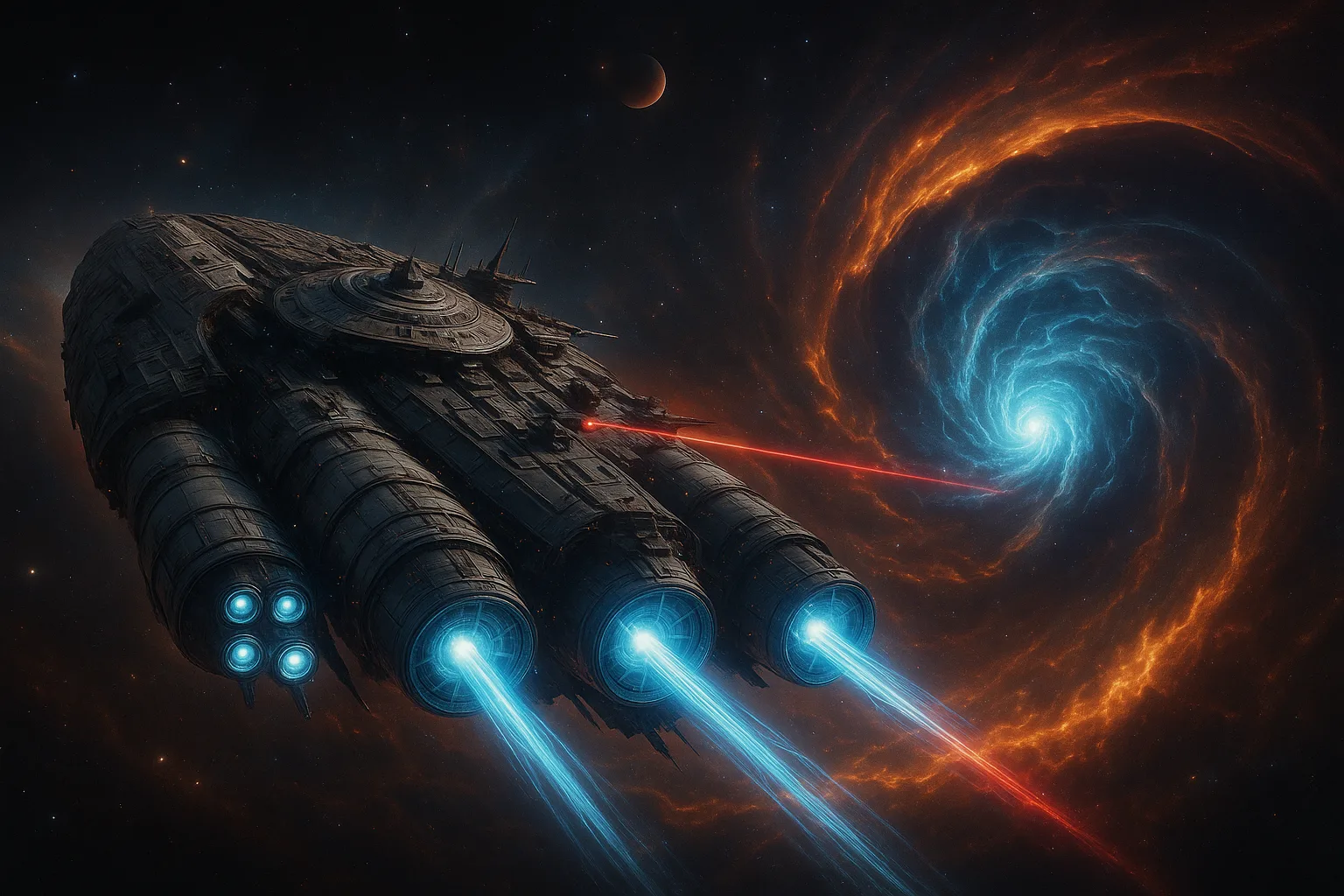
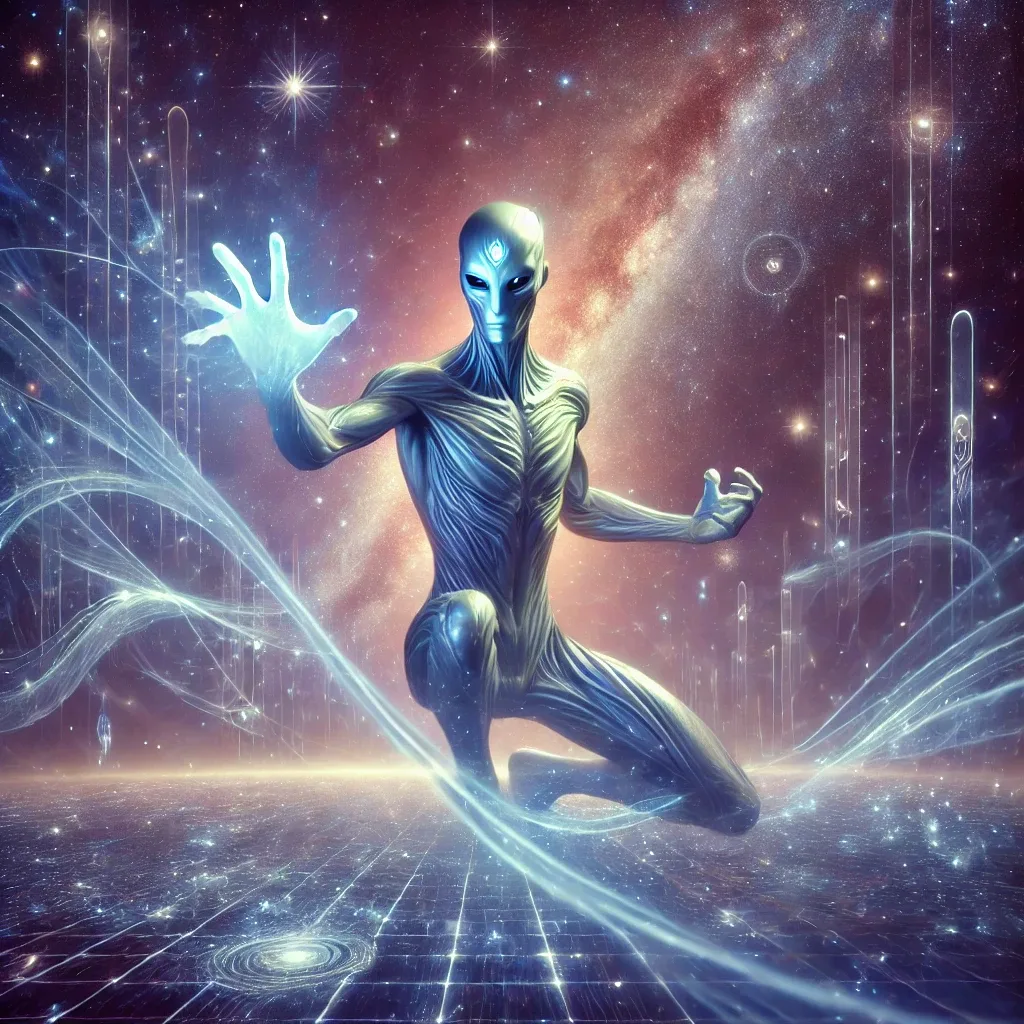
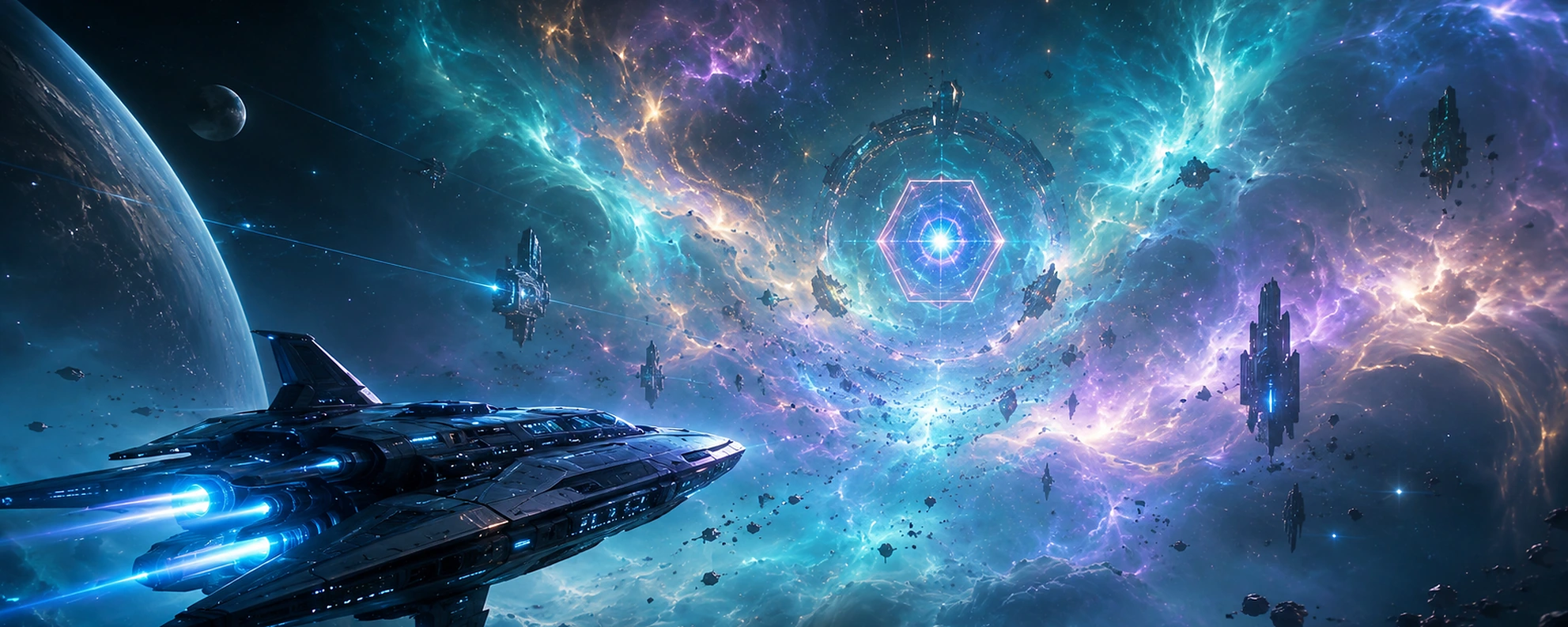
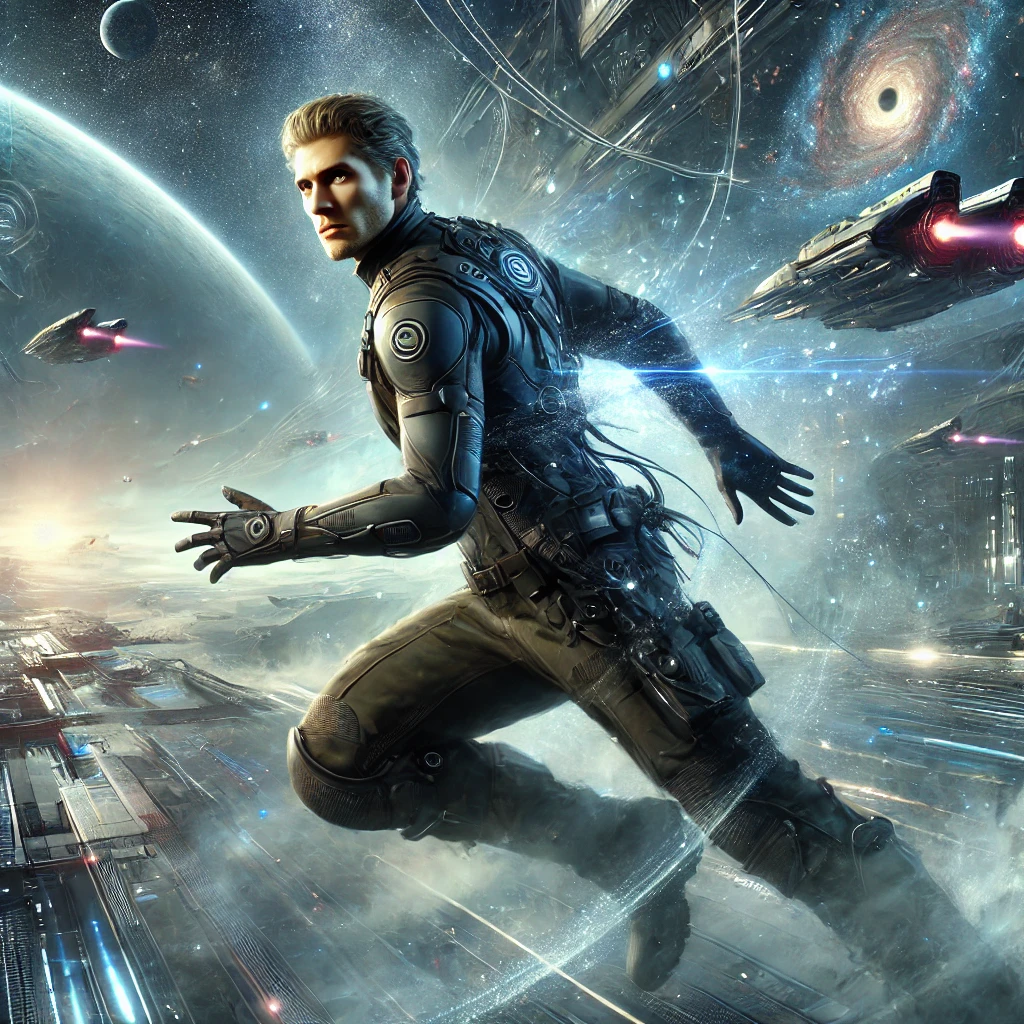
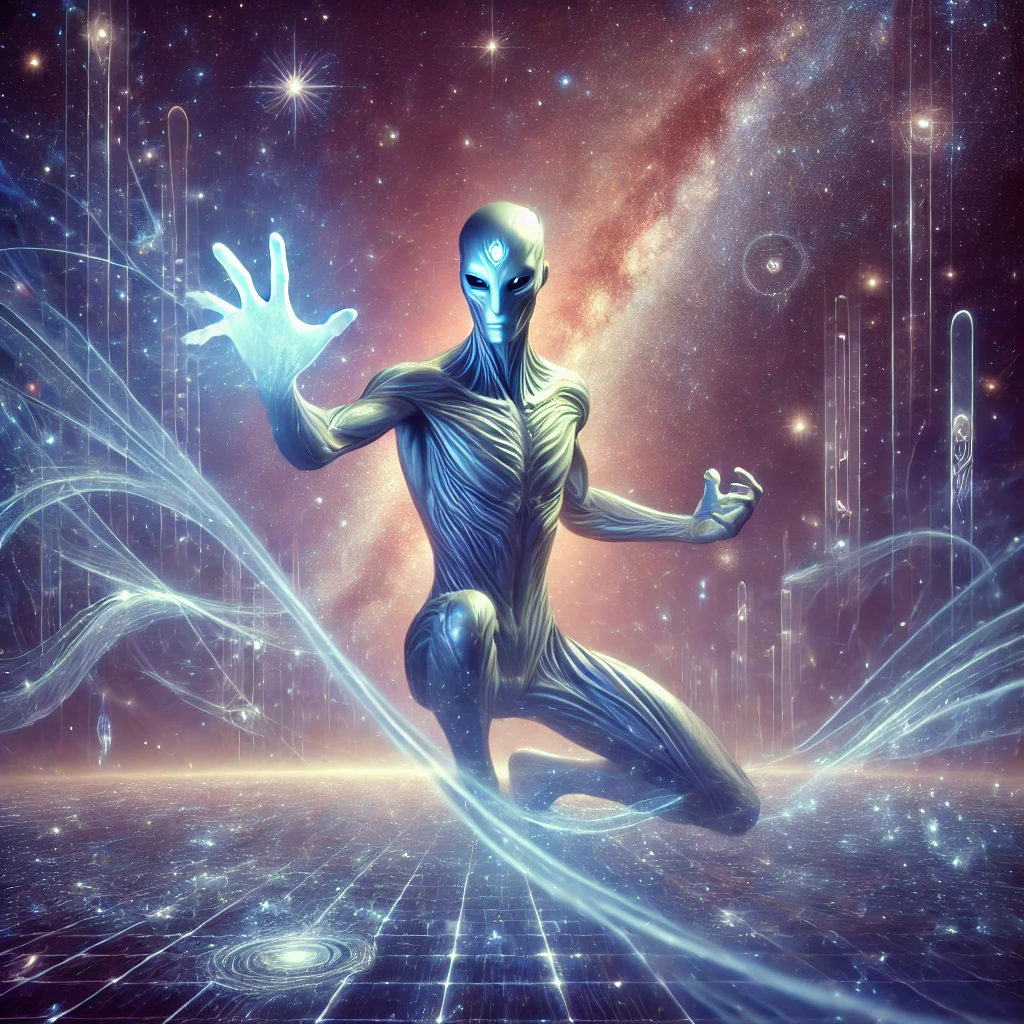
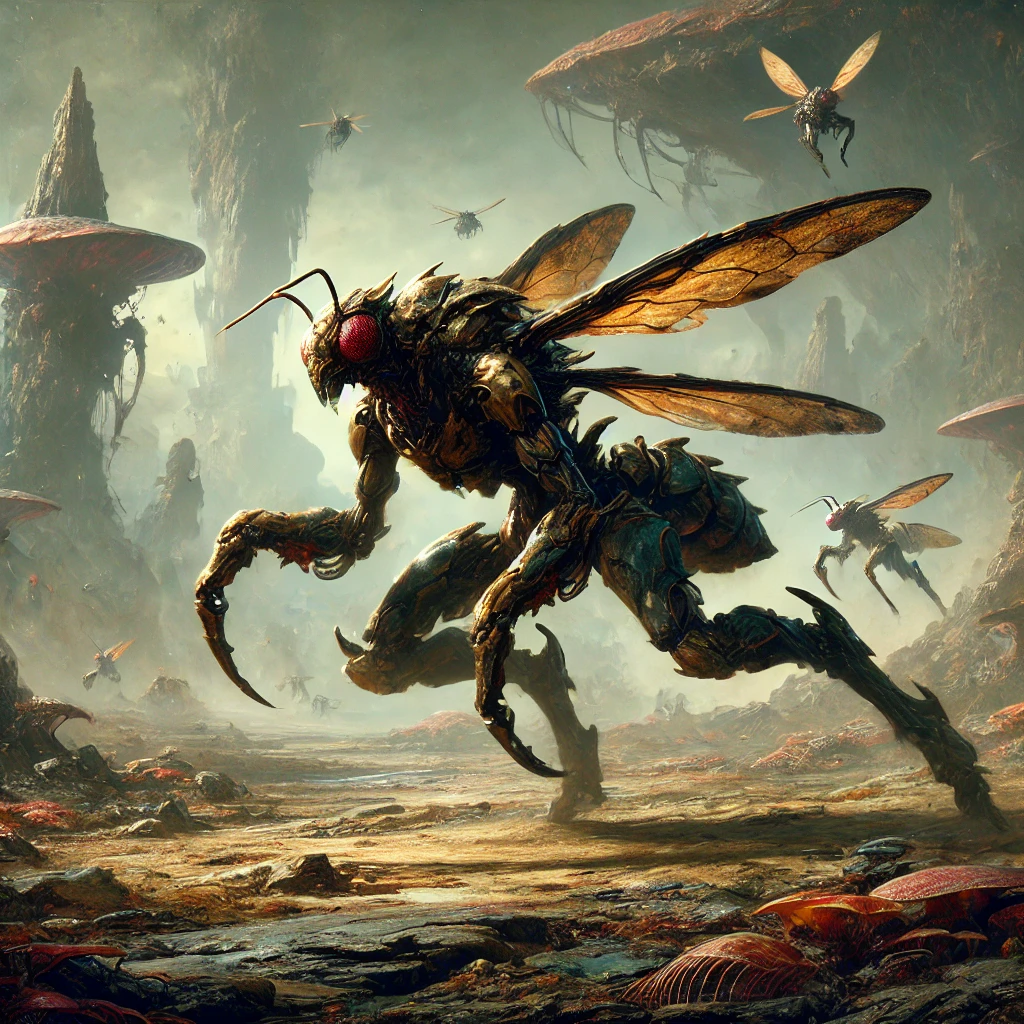
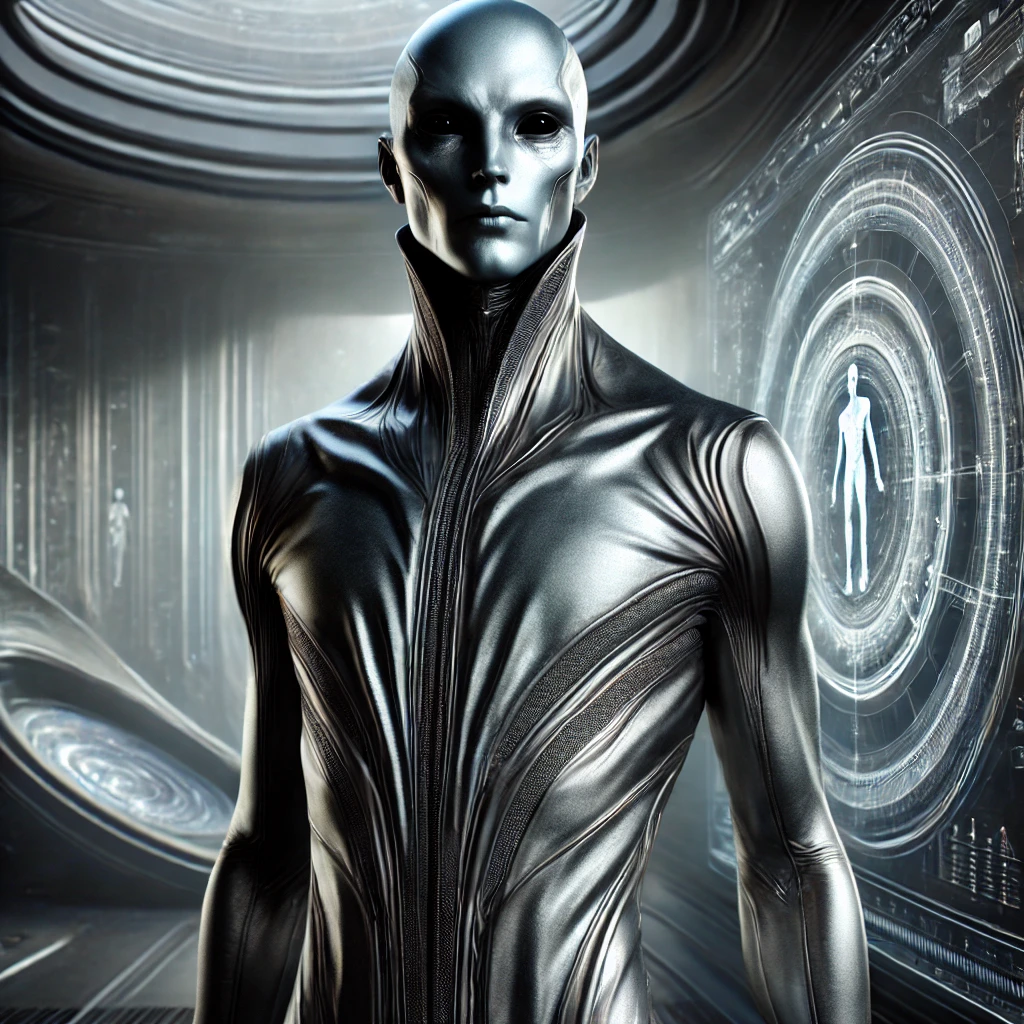
These expanded paths help players and Game Masters understand what the game is, how expeditions work, and why the universe keeps answering back.
Signal I
Start Here: What Is Resonance?
Resonance is a science-fantasy roleplaying universe where reality is not passive. It bends around artefacts, dimensional rifts, living signals, unstable histories, and characters who learn that power may be woven into life itself.
The game is built for expeditions into regions where physics, memory, time, and identity are all negotiable. The question is rarely whether the crew can reach the anomaly; it is what the anomaly will make true once they arrive.
- Best for philosophical science fantasy, cosmic mystery, unstable expeditions, and reality-bending play.
- Centres on Resonance Points, artefacts, dimensional rifts, species tensions, and the cost of control.
- Built for mission structure with metaphysical consequence.
Signal II
Species & Forms
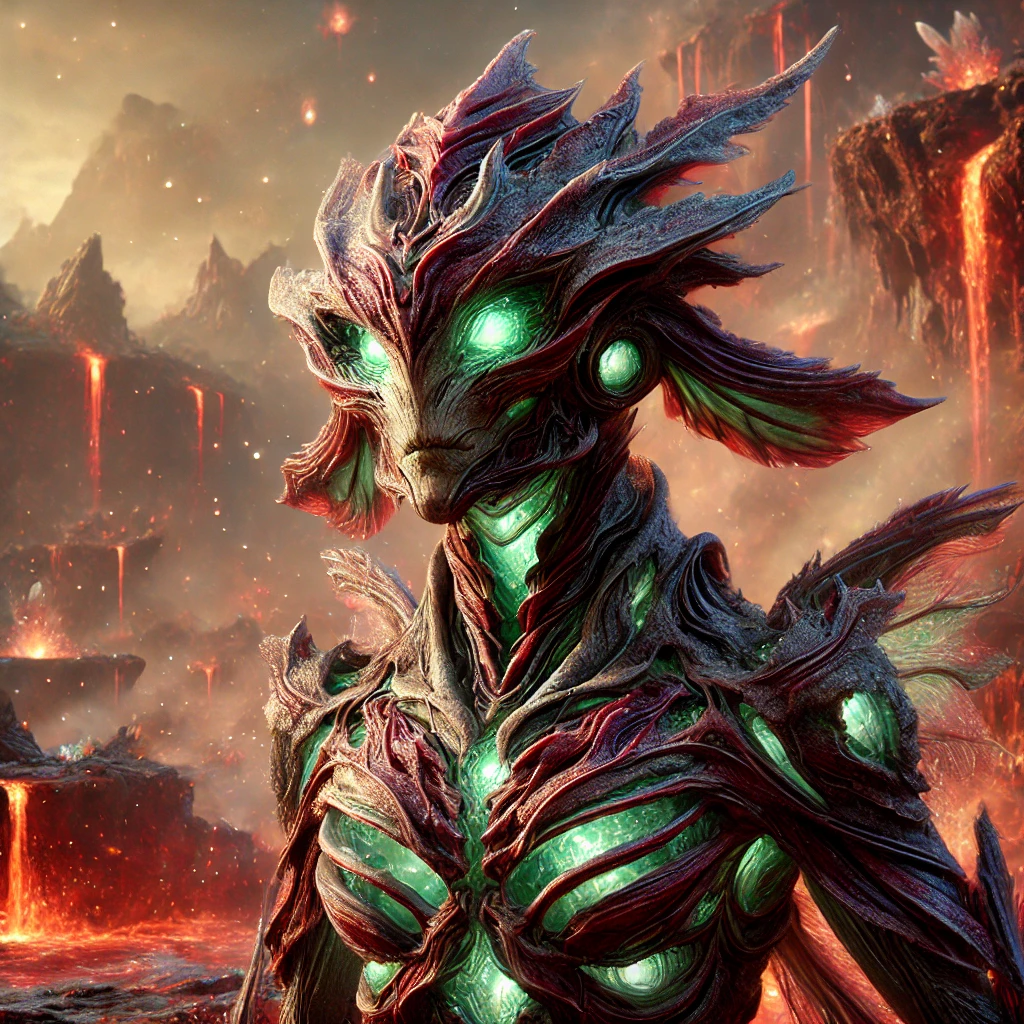
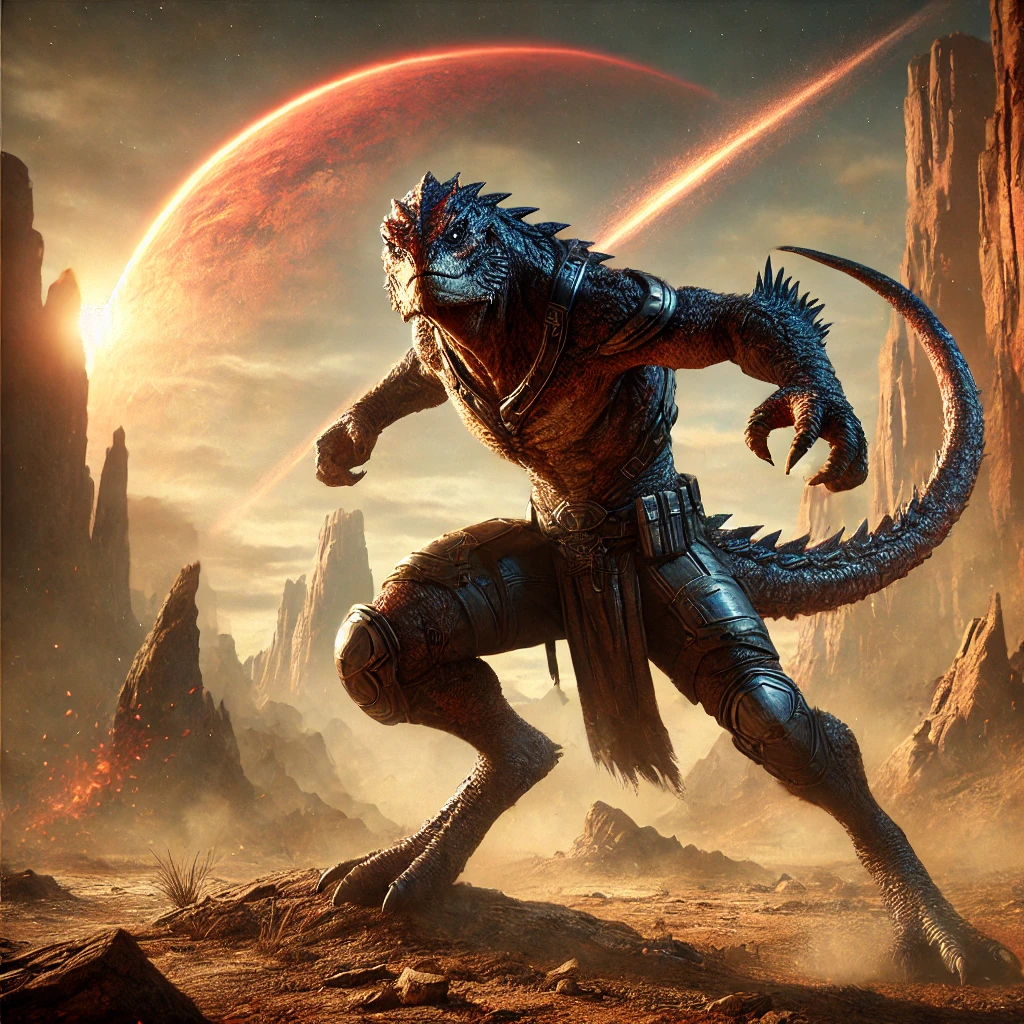
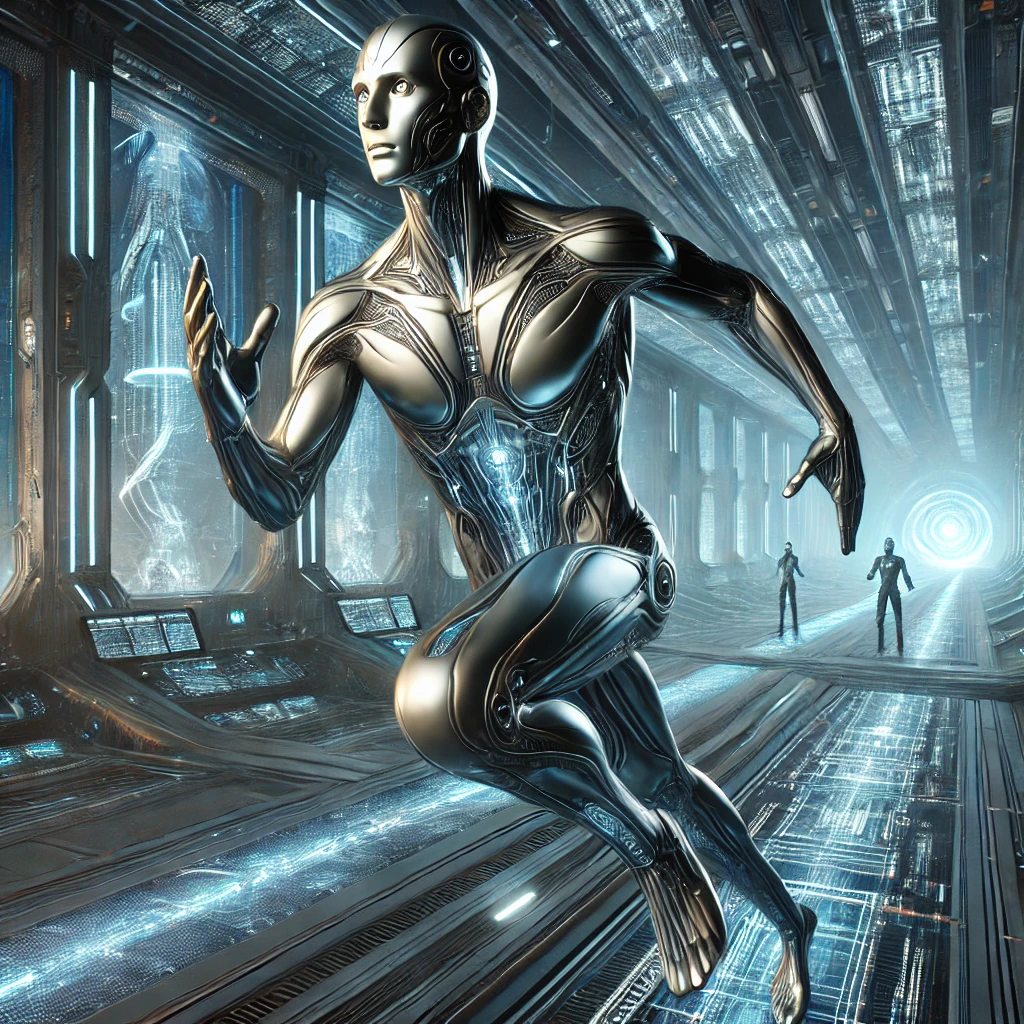
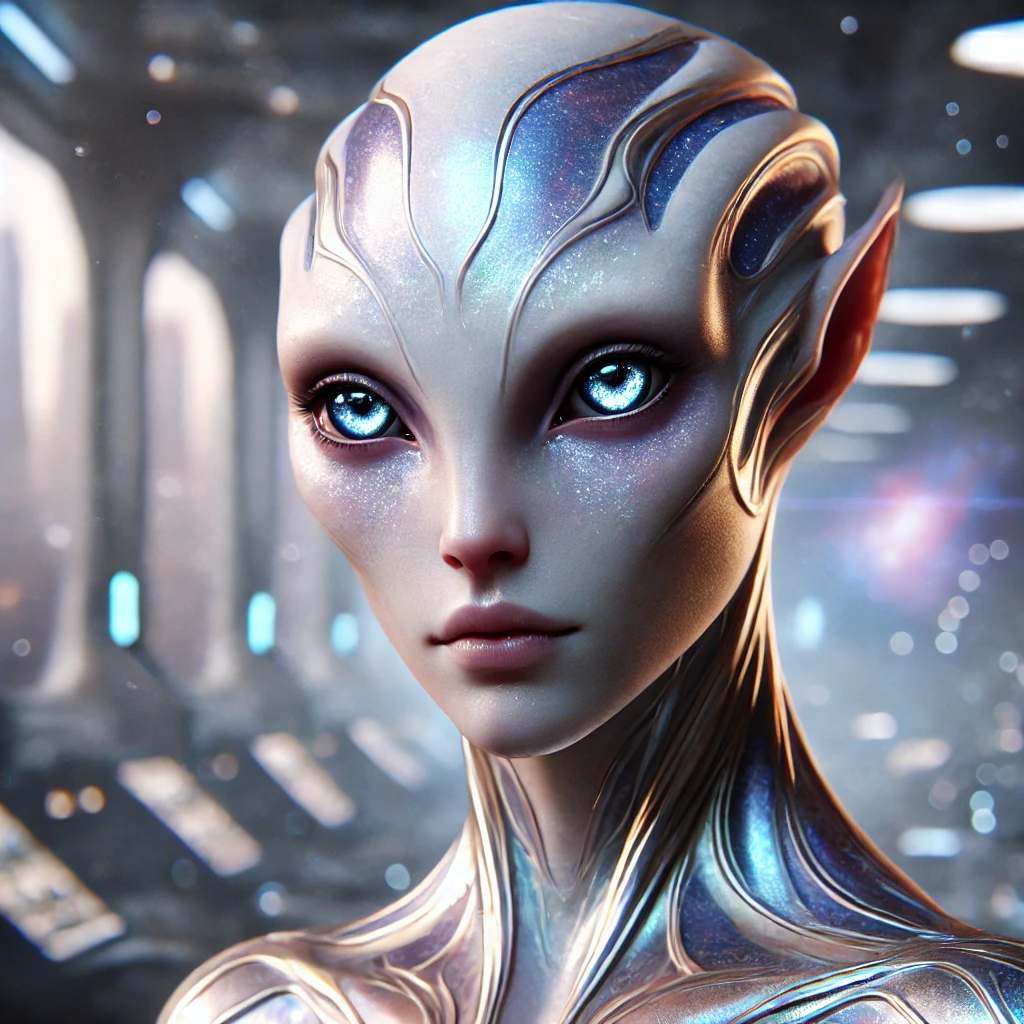
Resonance includes sentient peoples and cultures shaped by biology, technology, belief, adaptation, and exposure to cosmic forces. Humans, Astralorians, Kryllax, Khelrathi, Vortexians, Terrakans, Syntherians, Celestians, Ellapsar, Gharians, and other species each offer a different relationship with the signal.
Species influence how a character interprets danger. A synthetic intelligence, a temporal scholar, a dimensional engineer, and a frontier survivor may all stand before the same rift and disagree on whether it is a wound, a doorway, a weapon, or a god.
- Species act as cultural and mechanical lenses, not simple decoration.
- Biology, history, technology, and Resonance exposure affect choices and mission roles.
- New species can grow from the setting without breaking the core rules.
Signal III
Character Creation & Identity Systems
Character creation in Resonance begins with a person already touched by a larger universe. Life path, Resonance exposure, derived stats, species, skills, and past events all help establish why the character is capable of entering places most people would avoid.
Identity is one of the game’s strongest themes. Exposure to high Resonance environments can change what a character remembers, what they can do, and what parts of themselves remain stable under strain.
- Life path phases create history, scars, contacts, and strange advantages.
- Resonance exposure provides power, risk, and narrative hooks.
- Character creation leaves the player with unanswered questions worth pursuing in play.
Signal IV
Core Mechanics & Resonance Points
Resonance Points make the central force of the universe playable. They can help characters activate abilities, stabilise rifts, alter reality, engage with artefacts, or survive events that would otherwise overwhelm them.
The Game Master’s side of the system can also respond. Resonator tools give the session a way to escalate consequences, complicate player actions, and make the universe feel reactive rather than scripted.
- Resonance Points remain both resource and temptation.
- Spending is powerful but never trivial.
- Major uses leave visible consequences, altered environments, or future instability.
Signal V
Expeditions & Scenario Design
Expeditions are the practical engine of Resonance play. A mission can be built from location, objective, Resonance level, encounter, complication, reward, and twist, giving the table a structured way to create a session without flattening the mystery.
Memorable expeditions begin with a clear objective and then let the anomaly reshape the terms of success. Retrieve the artefact. Stabilise the rift. Rescue the survey team. Map the derelict. Then discover that the objective has already happened, or has not happened yet, or is being remembered by something that has no right to be alive.
- Modular tables create fast mission seeds.
- Escalation can come through Resonance events, opposition, secondary complications, and narrative twists.
- Rewards stay useful but unstable: artefacts, data, alliances, coordinates, or truths that demand action.
Signal VI
Time Mechanics & Causality
Time in Resonance is a material risk. Fractured timelines, temporal displacement, paradox states, alternate histories, and memory errors allow a mission to become more than a journey from point A to point B.
Temporal play remains understandable at the table: clear present choices, with consequences arriving from unexpected directions, whether through a message sent too early, an ally who remembers a failed version of the mission, or an artefact that has already punished tomorrow.
- Time effects create tension, not confusion.
- Paradoxes anchor themselves in visible mission facts, character memories, or recorded data.
- Temporal tools stay rare, powerful, and dangerous.
Signal VII
Starships & Void Combat
Starships in Resonance are more than transport. They are lifelines, homes, weapons, laboratories, diplomatic platforms, and fragile shells around crews who choose to cross regions where reality misbehaves.
Space combat combines tactical intensity with Resonance consequence. Facing, displacement, shields, drives, anomalies, surrender, flight, and Resonator actions all help keep battles dynamic without reducing them to simple exchanges of damage.
- Ships grow into campaign characters with upgrades, scars, crew roles, and reputation.
- Anomalies alter combat space, navigation, sensors, and morale.
- The Astral Nexus represents the high end of what collaborative Resonance engineering can become.
Signal VIII
Factions, Belief Systems & Power Blocs
Resonance attracts everyone: scientists, militaries, corporations, mystics, secularists, cults, explorers, refugees, and powers that may not think like species at all. Every faction wants a different answer to the same question: can the signal be understood without being obeyed?
Faction play creates difficult alliances. The group may need a research institute’s data, a fleet’s protection, a cult’s forbidden map, or a rival species’ ancestral warning. Those gifts rarely arrive without a price.
- Factions are built around motive, method, fear, and what they refuse to admit.
- Belief systems show how different societies explain the same cosmic force.
- Reputation matters across expeditions and future mission access.
Signal IX
Abilities, Conditions & Resonance Burn
Resonance grants power but punishes overreach. Abilities, Resonance Burn, Void Sickness, corruption, mental degradation, and unstable conditions all give the system teeth. The universe can be used, but not safely owned.
Conditions change play in practical ways. A character might gain extraordinary perception while losing trust in linear memory, or activate a powerful field effect while drawing the attention of something that recognises the frequency.
- Power remains attractive enough to use and costly enough to respect.
- Clear condition tracking keeps consequences playable rather than arbitrary.
- Recovery, treatment, containment, and refusal become meaningful choices.
Signal X
Lore, Mythos & Universal Collapse
The mythos of Resonance asks whether the force is natural law, divine remnant, cosmic parasite, voice, weapon, birthright, or something older than those categories. Civilisations build philosophies around it because no single explanation survives every encounter.
The universe feels vast, contradictory, and dangerous. Alternate realities, dimensional rifts, artefact origins, cosmic adversaries, vanished peoples, and impossible signals allow the setting to sustain campaigns of discovery, horror, wonder, and consequence.
- Lore widens mystery while giving Game Masters usable scenario hooks.
- Contradictory theories remain until play proves, disproves, or worsens them.
- The line between science, philosophy, religion, and survival remains deliberately unstable.